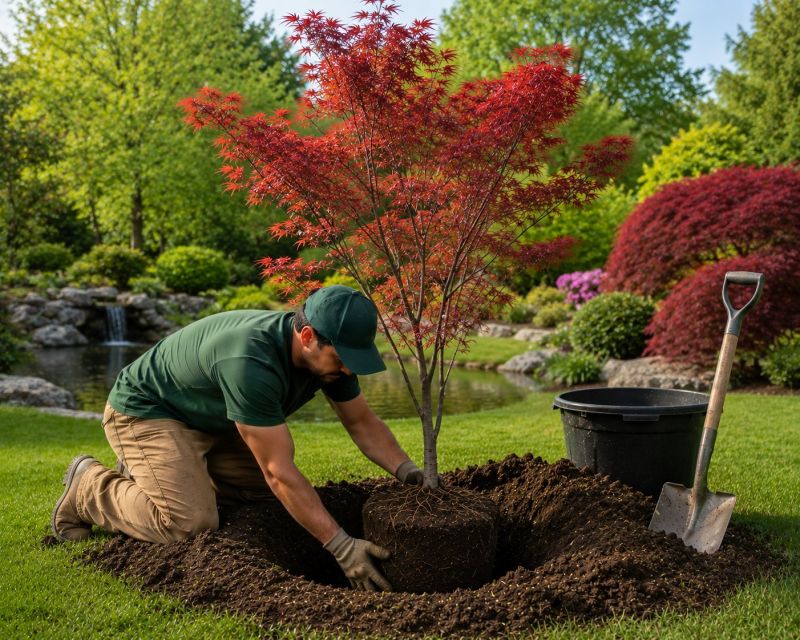
Japanese Cherry Tree Planting in Honolulu, HI
Japanese Cherry Tree Planting services involve selecting and planting these iconic trees to enhance the beauty and aesthetic appeal of residential properties. This service covers a variety of projects, including establishing new cherry blossom landscapes, replacing older or damaged trees, and creating seasonal focal points in gardens or yards. Property owners often seek guidance on suitable tree varieties for their specific climate and soil conditions, as well as advice on optimal planting locations to maximize visual impact and health.
Before requesting Japanese Cherry Tree planting, homeowners typically want to understand the space requirements for mature trees, including root spread and canopy size. They may also inquire about the best time of year for planting and any ongoing maintenance considerations to ensure healthy growth and vibrant blossoms. Clarifying these details helps ensure the trees thrive and contribute to the property's overall landscape design.
Many property owners in Honolulu, HI look into Japanese Cherry Tree Planting for repairs, replacements, upgrades, and appearance-related improvements.
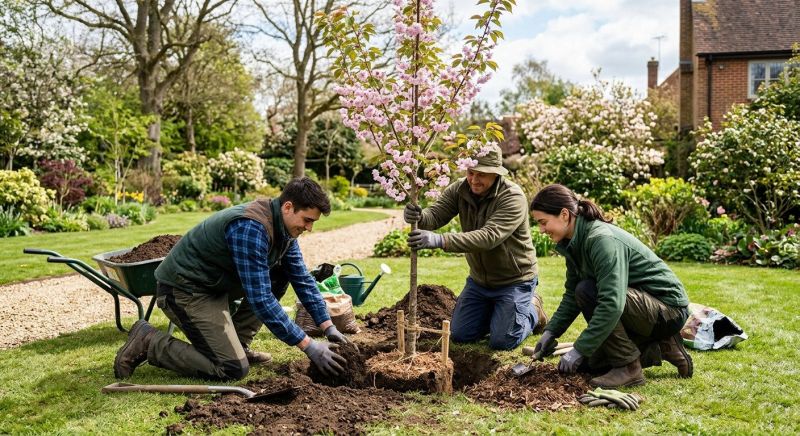
Aesthetic Enhancements
Japanese cherry trees add beauty and elegance to residential landscapes in honolulu.
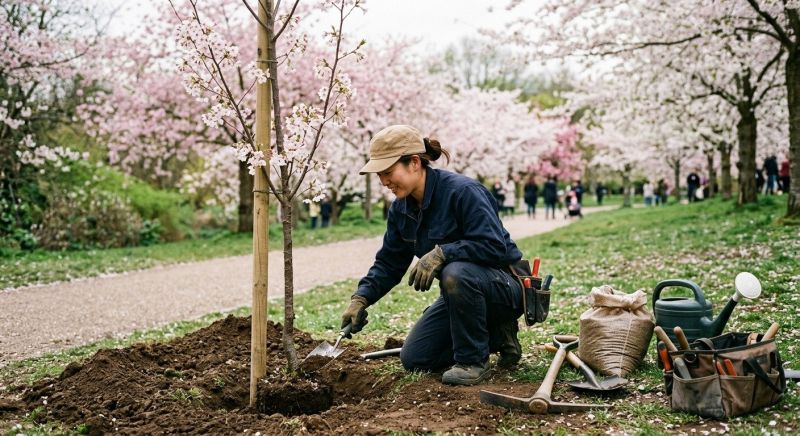
Seasonal Blooms
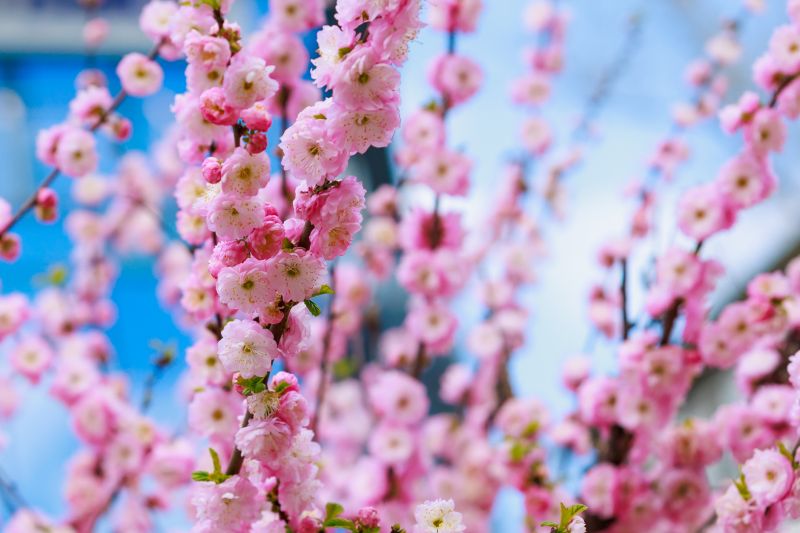
These trees provide vibrant spring blossoms that create a welcoming outdoor space.
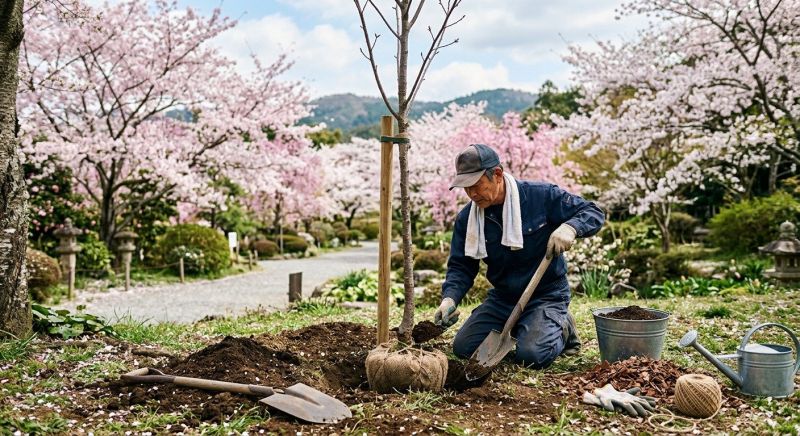
Property Value
Planting cherry trees can enhance curb appeal and increase the attractiveness of a property.
Japanese Cherry Tree Planting in Honolulu, HI

Japanese Cherry Tree Planting services involve selecting and planting these iconic trees to enhance the beauty and aesthetic appeal of residential properties. This service covers a variety of projects, including establishing new cherry blossom landscapes, replacing older or damaged trees, and creating seasonal focal points in gardens or yards. Property owners often seek guidance on suitable tree varieties for their specific climate and soil conditions, as well as advice on optimal planting locations to maximize visual impact and health.
Before requesting Japanese Cherry Tree planting, homeowners typically want to understand the space requirements for mature trees, including root spread and canopy size. They may also inquire about the best time of year for planting and any ongoing maintenance considerations to ensure healthy growth and vibrant blossoms. Clarifying these details helps ensure the trees thrive and contribute to the property's overall landscape design.
Many property owners in Honolulu, HI look into Japanese Cherry Tree Planting for repairs, replacements, upgrades, and appearance-related improvements.
Common Japanese Cherry Tree Planting Jobs
Japanese Cherry Tree Planting - Enhances aesthetic appeal with vibrant spring blooms.
Tree Selection and Placement - Guides choosing the right variety and optimal planting locations.
Soil Preparation - Ensures proper nutrients and drainage for healthy growth.
Planting Services - Provides professional planting to establish healthy, long-lasting trees.
Seasonal Planting - Offers planting options that align with optimal blooming periods.
Maintenance Advice - Supplies tips for caring for cherry trees to promote vibrant blossoms.
Japanese Cherry Tree Planting Questions
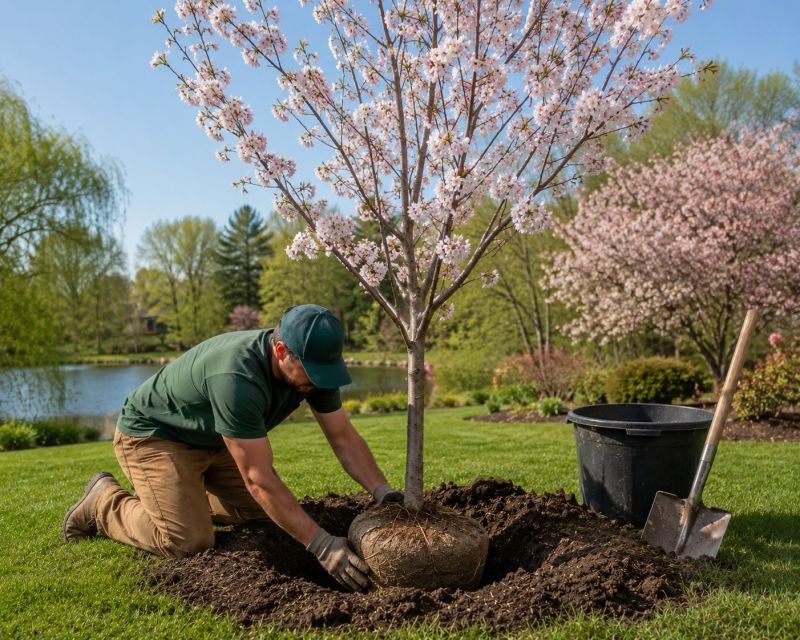
What is involved in planting a Japanese Cherry Tree? The process includes selecting an appropriate location, preparing the soil, and planting the young tree with proper depth and spacing.
Are there specific site requirements for Japanese Cherry Trees? They thrive in well-drained soil with ample sunlight and enough space to grow without obstruction.
When is the best time to plant a Japanese Cherry Tree? The ideal time is during the early spring or fall when the weather is cooler and conditions are suitable for root establishment.
What should property owners consider before planting? It’s important to consider nearby structures, underground utilities, and future growth to ensure proper placement and health of the tree.
Request Japanese Cherry Tree Planting in Honolulu, HI
Use the quote form on this page to share the basics of your project and request more information for the type of work you need.